Is the Tesla Powerwall 3 Still Worth It in 2026?
Is the Tesla Powerwall 3 a smart investment in 2026? We break down costs, NEM 3.0 impacts, and why California homeowners are pairing batteries with solar.
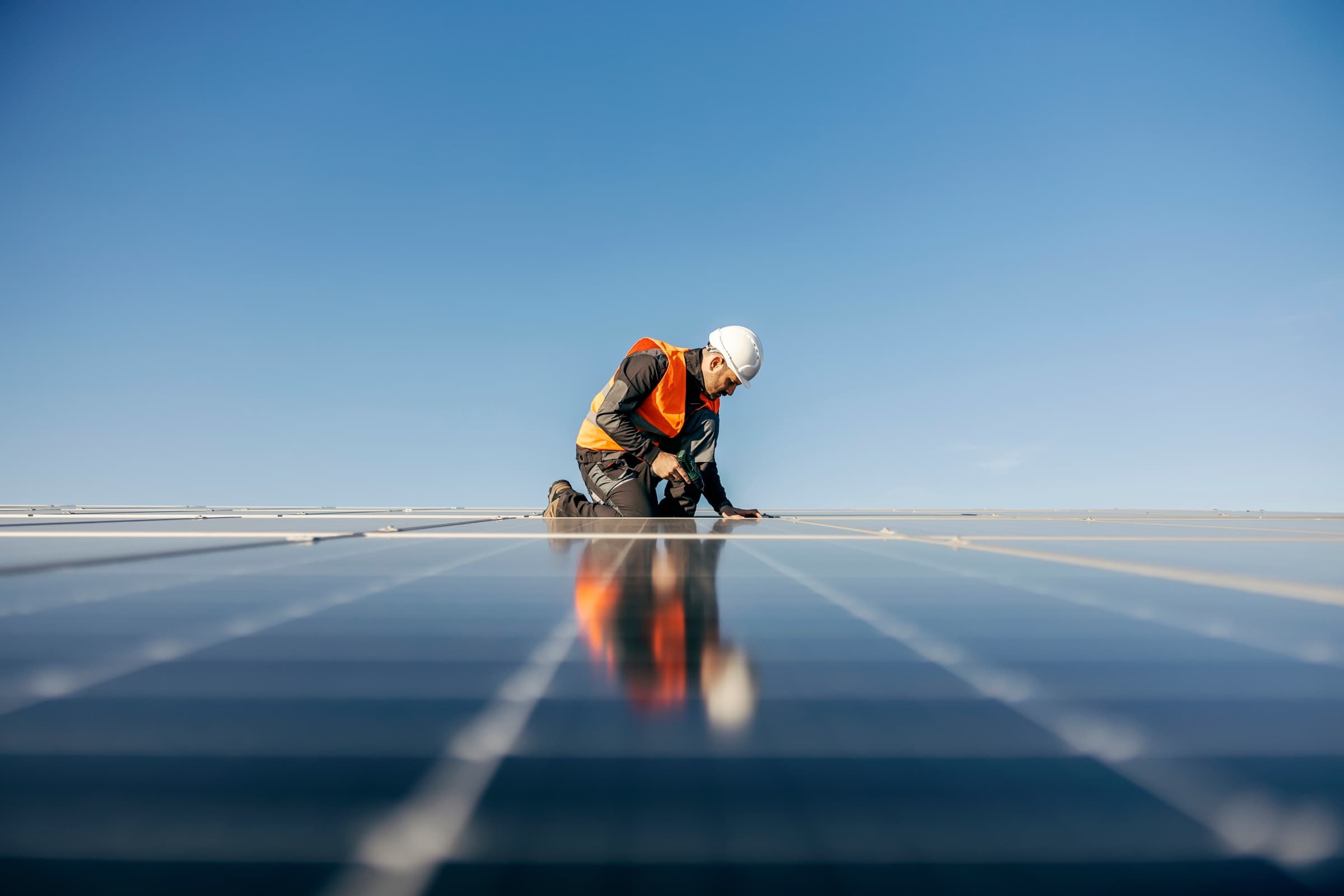
If you've been eyeing the Tesla Powerwall 3 and wondering whether it's still a solid choice heading into 2026, you're not alone. It's one of the most common questions we get from homeowners across California — and honestly, it's a great question. The energy landscape here changes fast, and what made sense two years ago might not make sense today.
So let's cut through the noise and talk about whether the Powerwall 3 actually delivers for California homeowners right now.
What's Different About the Powerwall 3?
Tesla released the Powerwall 3 as a meaningful upgrade over the Powerwall 2, not just an incremental refresh. The biggest headline is the integrated hybrid inverter, which means you no longer need a separate solar inverter for new installations. That alone simplifies the installation process and can shave real dollars off your total system cost.
Here are the specs that matter most:
- Usable capacity: 13.5 kWh per unit (same as PW2, but that's still plenty for most homes)
- Continuous power output: 11.5 kW — a huge jump from the Powerwall 2's 5 kW
- Peak backup power: Up to 185 amps, which means it can handle heavy loads like your AC, EV charger, and kitchen appliances simultaneously
- Built-in solar inverter: Supports up to 20 kW of solar input directly
That continuous output number is the real story. At 11.5 kW, a single Powerwall 3 can realistically back up your entire home during an outage — not just a few circuits. For anyone who lived through a PG&E Public Safety Power Shutoff (PSPS) event or a summer rolling blackout, that's not a luxury. It's peace of mind.
NEM 3.0 Changed Everything — and Batteries Are the Answer
Let's talk about the elephant in the room. California's Net Energy Metering 3.0 policy, which went into effect in April 2023, fundamentally changed the math on solar-only systems. Under the old NEM 2.0 rules, you could send excess solar energy back to the grid and get credited at close to the full retail rate. Those days are gone.
Under NEM 3.0 (technically called the Net Billing Tariff), export credits dropped by roughly 75%. If you're on Southern California Edison, PG&E, or SDG&E, the credits you earn for sending power to the grid during midday hours are now a fraction of what you pay to pull power back at night. We're talking export values that average around $0.04–$0.08 per kWh in many time periods, while evening retail rates can hit $0.45–$0.65 per kWh depending on your utility and rate plan.
This is exactly why batteries went from "nice to have" to "you'd be crazy not to" in California. The Powerwall 3 lets you store your cheap midday solar production and use it during those expensive evening peak hours (typically 4–9 PM on TOU rate plans). Instead of selling power to PG&E for pennies and buying it back for half a dollar, you just... keep it.
The arbitrage alone can save a typical household $100–$200+ per month depending on usage patterns and utility territory.
Real-World Reliability: How's It Holding Up?
One thing we appreciate about Tesla's battery products is the track record. The Powerwall line has been on the market since 2015, and Tesla has deployed over 600,000 Powerwall units globally. The Powerwall 3 specifically has been in the field since mid-2024, and the early reliability data looks strong.
Tesla backs the Powerwall 3 with a 10-year warranty that guarantees at least 70% capacity retention. In practice, lithium iron phosphate (LFP) chemistry — which the Powerwall 3 uses — tends to degrade slower than that warranty suggests. LFP cells are also more thermally stable, which matters when your battery is sitting in a California garage where summer temperatures can push past 100°F in inland areas like Fresno, Bakersfield, or the Inland Empire.
The Tesla app is another underrated feature. You get real-time monitoring of solar production, battery charge level, home consumption, and grid status. You can set it to "Time-Based Control" mode to automatically optimize around your TOU rate schedule, or "Self-Powered" mode to maximize self-consumption. It's genuinely intuitive — no engineering degree required.
What About the Federal Tax Credit?
Here's some good news that's still on the table in 2026. The federal Investment Tax Credit (ITC) under the Inflation Reduction Act still offers a 30% tax credit on the total cost of a battery storage system, even if it's installed standalone (without solar). That credit applies to the Powerwall 3 hardware, installation labor, and associated electrical work.
For a typical Powerwall 3 installation running around $14,000–$16,000 before incentives, that 30% credit knocks $4,200–$4,800 off your federal tax bill. The ITC at 30% is currently scheduled to remain available through 2032 before stepping down, but policy can always shift. If you've been waiting, 2026 is still a strong window.
Some California homeowners also qualify for the SGIP (Self-Generation Incentive Program), which offers additional rebates for battery storage — particularly for households in fire-threat areas or those enrolled in medical baseline programs. Availability varies by utility territory, and funds do run out, so it's worth checking sooner rather than later.
So, Is the Powerwall 3 Worth It in 2026?
Short answer: yes, especially in California.
The combination of sky-high utility rates (PG&E's average residential rate crossed $0.30/kWh and keeps climbing), NEM 3.0's gutted export credits, increasing PSPS shutoff events, and a generous federal tax credit creates a scenario where battery storage isn't just financially smart — it's almost irrational to skip it if you're going solar.
The Powerwall 3 specifically earns its spot because of the integrated inverter (fewer components, cleaner install), the massive 11.5 kW output (whole-home backup capability), and Tesla's ecosystem polish. Is it the only good battery on the market? No — Enphase IQ batteries, Franklin WH, and SolarEdge offer competitive products too. But for most California homeowners, the Powerwall 3 hits the sweet spot of performance, reliability, and value.
Ready to See What a Powerwall 3 System Looks Like for Your Home?
If you're curious about how the Tesla Powerwall 3 fits into your specific situation — your roof, your utility rate plan, your usage — the team at Alpha Solar CA can walk you through it. We design and install solar + battery systems across California, and we'll give you a straight answer about what makes sense (and what doesn't) for your home. No pressure, no gimmicks — just honest numbers.
Get a free quote from Alpha Solar CA and see what 2026 looks like with lower bills and a fully backed-up home.