How Much Can You Save With Solar in California in 2026?
California homeowners can save $60,000–$132,000 over 25 years with solar. Here's what real savings look like in 2026 under current rates and incentives.
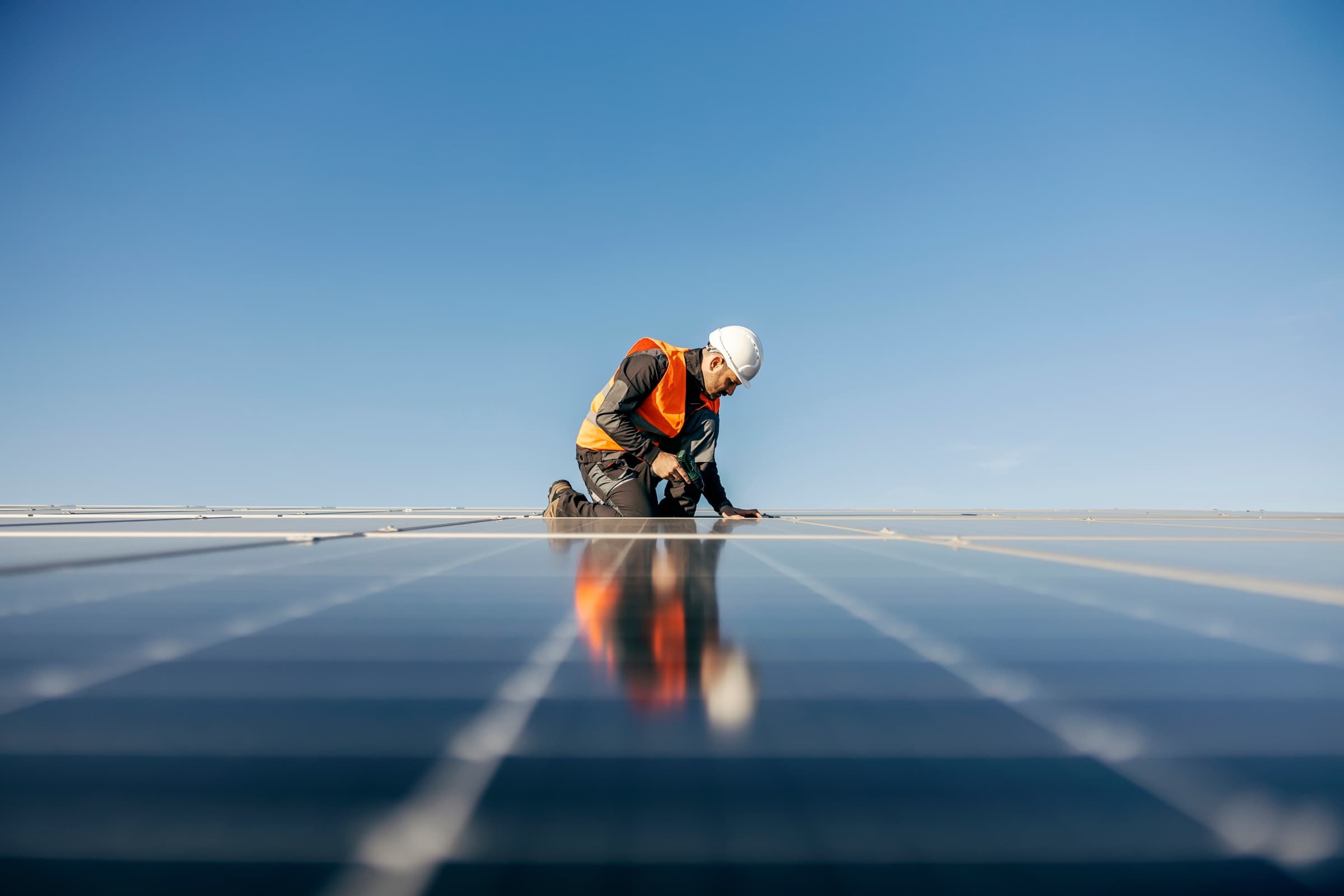
If your utility bill feels like it only moves in one direction — up — you're not imagining it. Average California electricity rates now sit between 31 and 34 cents per kilowatt-hour, nearly double the national average. And the California Public Utilities Commission forecasts 6–7% average annual rate increases through 2028 for PG&E, SCE, and SDG&E.
Solar flips that equation. Instead of watching your bill grow every year, you lock in predictable energy costs for 25+ years.
How much are Californians actually saving?
The average California homeowner is expected to save about $132,244 over 25 years by going solar, based on current installation costs, electricity prices, available incentives, and inflation rates. That figure comes from real quote data across thousands of recent installations statewide.
System size determines how much applies to your home specifically. A 6 kW system can save $60,000+ over its lifetime. A 10 kW system can push past $90,000. Larger 15 kW systems — common for high-consumption homes or households with EVs — can reach $120,000 or more in lifetime savings.
What does a system cost in 2026?
As of April 2026, the average installed cost of solar in California is approximately $2.51 per watt. For the average system size of around 9 kW, that puts the gross cost at roughly $22,700 before any available incentives.
While the federal residential tax credit expired at the end of 2025 for homeowners purchasing directly, lease and PPA financing options can still pass along equivalent savings through the commercial tax credit. Your installer should walk you through which structure makes the most sense for your situation.
Why battery storage matters more than ever
Under California's current Net Billing Tariff (NEM 3.0), pairing solar with battery storage is no longer optional if you want strong financial returns. Export credits for power sent to the grid have dropped significantly compared to previous years, making self-consumption the primary driver of savings.
Peak electricity rates between 4 PM and 9 PM regularly exceed 70 cents per kWh with major California utilities. A battery stores your solar energy during the day and deploys it during those expensive evening hours — dramatically improving your return on investment.
The bottom line
California receives around 284 sunny days annually and carries some of the highest electricity rates in the country. That combination still makes it one of the best places in the world to go solar, even as incentive programs have evolved. The longer you wait, the more you pay your utility — and the less you capture in savings.
Get a free quote from Alpha Solar CA to see exactly what your home qualifies for and what your 25-year savings projection looks like.